Understanding Connecticut's Towing Regulations: What You Need to Know

Introduction to Connecticut's Towing Regulations
Connecticut has specific towing regulations designed to protect vehicle owners and ensure fair practices. Whether you're a driver or a towing company operator, understanding these rules is crucial. This guide will walk you through the essential aspects of Connecticut's towing laws.
When Can a Vehicle Be Towed?
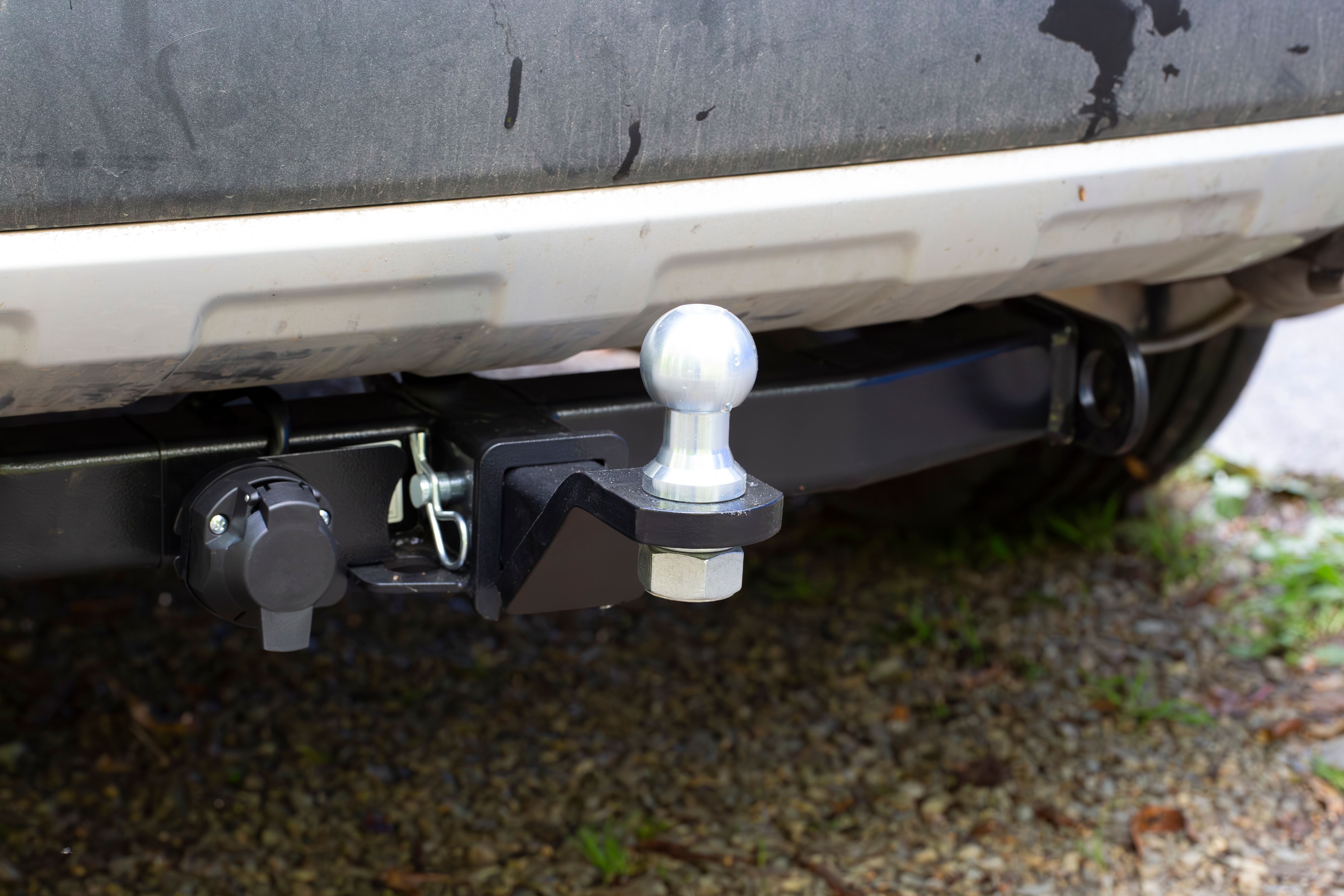
In Connecticut, vehicles can be towed under certain circumstances. Common reasons include illegal parking, abandonment, and blocking driveways. Property owners and law enforcement have the authority to call for a tow if these conditions are met. It's essential to be aware of where you park to avoid unnecessary towing fees.
For instance, if your vehicle is parked on private property without permission, the property owner can request a tow. However, they must comply with specific signage requirements to inform drivers of the towing policy.
Signage Requirements for Towing
To legally tow a vehicle from private property, the owner must post clear signage. These signs should be visible and contain information about the towing company used, including contact details. This transparency helps vehicle owners understand the risks and retrieve their vehicles if necessary.
Fees and Charges
Towing fees in Connecticut are regulated to prevent excessive charges. The state mandates maximum fees for towing and storage, which towing companies must adhere to. Knowing these limits can help you avoid overpaying if your vehicle is towed.
It's important to request an itemized bill from the towing company to ensure all charges are legitimate. Unauthorized fees can be disputed with the Connecticut Department of Consumer Protection.
Retrieving Your Towed Vehicle
If your vehicle has been towed, the first step is to contact the towing company listed on the signage. You'll need to provide proof of ownership and pay any applicable fees to retrieve your vehicle. Make sure to have your identification and vehicle registration ready.

Your Rights and Responsibilities
As a vehicle owner, you have rights when dealing with towing companies. They must provide you with access to your vehicle and allow you to retrieve personal belongings. Additionally, towing companies are required to accept multiple forms of payment, including credit cards.
Understanding your responsibilities, such as paying the towing and storage fees promptly, can help you navigate the process smoothly. Ignoring these obligations may lead to additional charges or complications.
Conclusion
Understanding Connecticut's towing regulations can save you time, money, and frustration. By being aware of where you park and knowing your rights, you can avoid unwanted towing experiences. For any disputes or questions, contacting local authorities or the Department of Consumer Protection is advisable.